
Chưa phân loại
4G ROTATING PROXY: Understand the Power of Dynamic 4G IP Proxies to Enhance Web Scraping
The internet has unleashed new opportunities for communication, yet security risks continue to grow. One of the cutting-edge tools in this area is the 4G proxy, which offers a unique way to navigate the internet.
## What is a 4G Proxy?
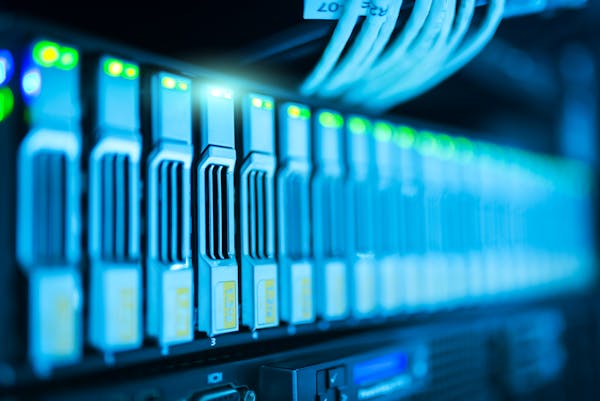
A 4G proxy is a type of proxy server that employs 4G mobile networks to change the originating digital identity of a client’s internet traffic. Unlike traditional proxies that depend on static IP addresses, 4G proxies come from cellular networks, ensuring increased privacy due to their dynamic allocation.
## How Does a 4G Proxy Work?
The process begins when you send a request through the proxy, which then selects a cellular network IP to your connection. This means that websites and services you interact with see the mobile IP rather than your true IP address.
This continuous change creates an authentic mobile footprint that is difficult to trace. In many ways, a 4G proxy functions like a digital mask that stays protected.
## The Benefits of Using a 4G Proxy
Using a 4G proxy can deliver distinct advantages over traditional proxy solutions.
### Improved Online Anonymity
Because 4G proxies rely on mobile IP addresses that rotate frequently, it becomes significantly more difficult for malicious actors to associate your actions back to your real IP address.
This is particularly vital for those who need to protect sensitive information, scrape data without detection, or simply protect their identity online.
### Circumventing Online Restrictions
With a 4G proxy, you can easily switch between regions, enabling you to view region-locked media.
This feature is especially useful for digital marketers who need to bypass censorship.
### Stable and Fast Connections
The mobile networks behind 4G proxies offer stable performance even in challenging environments.
Even if you’re scraping data, the underlying network provides steady throughput.
Because mobile IPs are less likely to be blacklisted, 4G proxies offer an extra layer of reliability.
### Adaptable and Scalable
4G proxies provide scalable solutions for a range of applications.
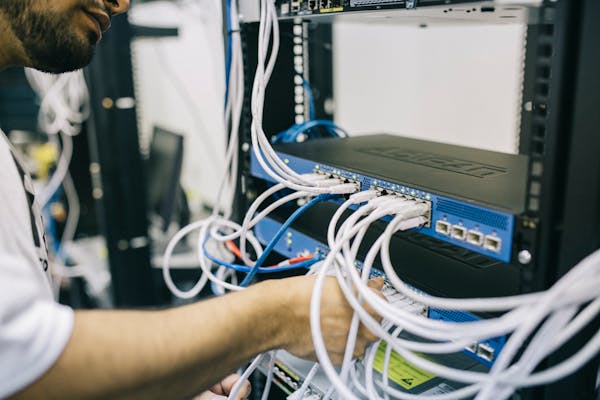
This adaptability caters to the needs of both individuals and organizations, ensuring its popularity across industries.
## Common Use Cases for 4G Proxies
The versatile nature of 4G proxies translates into wide-ranging applications.
### Data Mining and Market Research
For data-driven businesses, web scraping is essential in gathering insights.
Yet, frequent requests from one IP can trigger IP blacklisting. Using a 4G proxy ensures a rotating IP address, thereby avoiding bans, making the data collection process smoother.
### Optimized Marketing Campaigns
For SEO experts and digital advertisers, geo-targeting is vital for reaching the right demographics.
By using a 4G proxy, marketers can ensure that ads are shown to the right audience, no matter where they are.
### Safe Social Media Automation
Many social media platforms impose strict limits on account creation and usage.
4G proxies ensuring that each account appears to originate from a different, mobile-based IP address.
### Overcoming Regional Blocks
Many users face challenges when trying to access blocked content.
This feature is a must-have tool for those needing open access.
## Considerations When Using 4G Proxies
Despite their many advantages, 4G proxies are not without limitations.
A common limitation is the higher cost compared to traditional data center proxies.
Since mobile network access involves mobile data costs, 4G proxies often come at a premium.
Another challenge is speed consistency.
Choosing a reputable 4G proxy provider can help ensure stable performance.
Users should verify that their target platforms accept mobile proxies.
## Ensuring Compliance and Security
Security is a primary consideration when using any proxy service.
{4G proxies offer enhanced anonymity but it’s important to be mindful of legal guidelines and terms of use.
For example, using proxies for unethical purposes may lead to legal issues.
It is also prudent to select providers that offer robust security measures to ensure your privacy is maintained.
## The Future Landscape of Mobile Proxies
As the internet grows and transforms, so too do the technologies that power it.
In the coming years, 4G proxy providers are set to enhance their networks.
Emerging technologies such as 5G promise to further revolutionize how data is transmitted, but 4G proxies will remain relevant due to their proven performance.
Advances in technology are set to make 4G proxies even more efficient.
The future of internet privacy and access seems bright with advancements in mobile proxy solutions.
## Final Thoughts on 4G Proxies
In summary, 4G proxies offer a unique blend of flexible connectivity and robust privacy benefits.
By leveraging the power of 4G, users can bypass digital barriers and maintain privacy.
While there are certain challenges — such as higher costs and occasional speed variability — the benefits outweigh the risks.
For businesses and individual users alike, 4G proxies provide a new level of flexibility and security.
Looking ahead, the continuing evolution of mobile networks means that these tools will maintain their importance.
The message is clear: if you want secure, flexible, and dynamic online access, a 4G proxy is a solution worth considering.
Step into the future of online connectivity with 4G proxies — your digital access is redefined.
Ultimately, 4G proxies are a key driver in the evolution of online connectivity.
Take the leap into the next generation of digital solutions with 4G proxies, and witness the transformation in your online operations.
Source: www.Heyzine.com (buy Rotating 4G Proxy)
In the world of digital security, rotating 4G proxies deliver a dynamic solution that merges the advantages of mobile connectivity with regularly rotating IP addresses.
Unlike static proxies, which retain the same IP address for extended periods, rotating 4G proxies dynamically change the visible IP address using a 4G mobile network.
By sourcing IPs from 4G networks, the proxies emulate everyday mobile user behavior, mirroring the inherent variability of mobile connections.
One key plus of rotating 4G proxies is their power to circumvent location-based blocks.
Furthermore, rotating 4G proxies enhance online security for data scraping, social media management, and digital marketing campaigns.
By automating the process of switching IP addresses, these proxies minimize the risk of detection that are common with static proxies.
Overall, this technology stands as a powerful tool in the fight for online security.
Online security today depends heavily on proxies that shield user data. Yet, different types of proxies offer varying benefits. Among these, 4G mobile proxies are renowned for their ability to provide real mobile IPs and high anonymity, which distinguishes them from other types such as datacenter proxies.
## Understanding Different Proxy Categories
At its core, a proxy hides your true IP by sending your traffic through another server through a different network.
4G mobile proxies are powered by 4G networks and deliver real mobile IPs. Meanwhile, residential proxies use IP addresses provided by Internet Service Providers, which offer some level of authenticity but lack the dynamic rotation seen in mobile proxies.

## Comparing 4G Mobile Proxies to Traditional Proxies
The main distinction lies in the source of the IP addresses.
– 4G mobile proxies rely on cellular networks to supply dynamic IPs, which means they are regularly updated, presenting a fluid online identity.
– Datacenter proxies come from centralized data facilities, but they generally lack the dynamic nature of mobile IPs, which can reduce anonymity.
– Residential proxies come from actual residential networks, which gives them a certain level of authenticity, but they can be costlier and less flexible than 4G mobile proxies.
Thus, while datacenter and residential proxies have their merits, 4G mobile proxies offer unmatched rotation and genuine mobile signals, making them ideal for applications that require high anonymity and less likelihood of blocks.
## Advantages of Using 4G Mobile Proxies
One of the major pluses of 4G mobile proxies is their ability to remain undetected.
These proxies shine in overcoming online censorship because the fluid rotation of mobile IPs mimics the behavior of actual mobile users across regions.
{Additionally, the use of real mobile networks means that 4G proxies are less likely to be flagged by anti-proxy systems than static proxies.
Furthermore, the dynamic rotation makes them highly adaptable. While datacenter proxies are often faster and cheaper, 4G mobile proxies deliver a more robust solution for tasks requiring high privacy.
## When to Use 4G Mobile Proxies Over Others
{4G mobile proxies find widespread use in digital marketing, data scraping, and social media management.
For example, marketers can simulate local browsing experiences to target region-specific ads effectively.
Additionally, these proxies are invaluable for bypassing geo-blocks and conducting market research across multiple regions.
On the other hand, each proxy type has its niche, and choosing the right one depends on the specific use case of the task at hand.
## Final Thoughts on 4G Mobile Proxies vs. Others
{In summary, while datacenter proxies and residential proxies offer specific merits, 4G mobile proxies distinguish themselves with their continuous, authentic mobile connectivity, making them especially effective for scenarios where avoiding bans is critical.
The choice between these proxy types is determined by the nature of your tasks.
If your primary goal is uninterrupted, secure browsing with continuously updated IPs, then 4G mobile proxies stand out as the best solution.
By understanding the core differences, advantages, and applications of each proxy type, you can choose the right tool for your needs and enhance your online security and performance.
